When the Ground Beneath You Feels New and Unfamiliar
Immigration can feel like stepping into a world where even your own reflection seems different. The familiar rhythms of language, culture, and belonging shift, and you might hear yourself whispering, “I don’t know who I am anymore.” This mantra can feel heavy, like a crack running through the center of your sense of self.
But here’s the truth: cracks are not endings. They are invitations. In the Japanese art of kintsugi, broken pottery is repaired with lacquer mixed with powdered gold, making the cracks the most beautiful part of the piece. Instead of hiding the damage, kintsugi celebrates it.
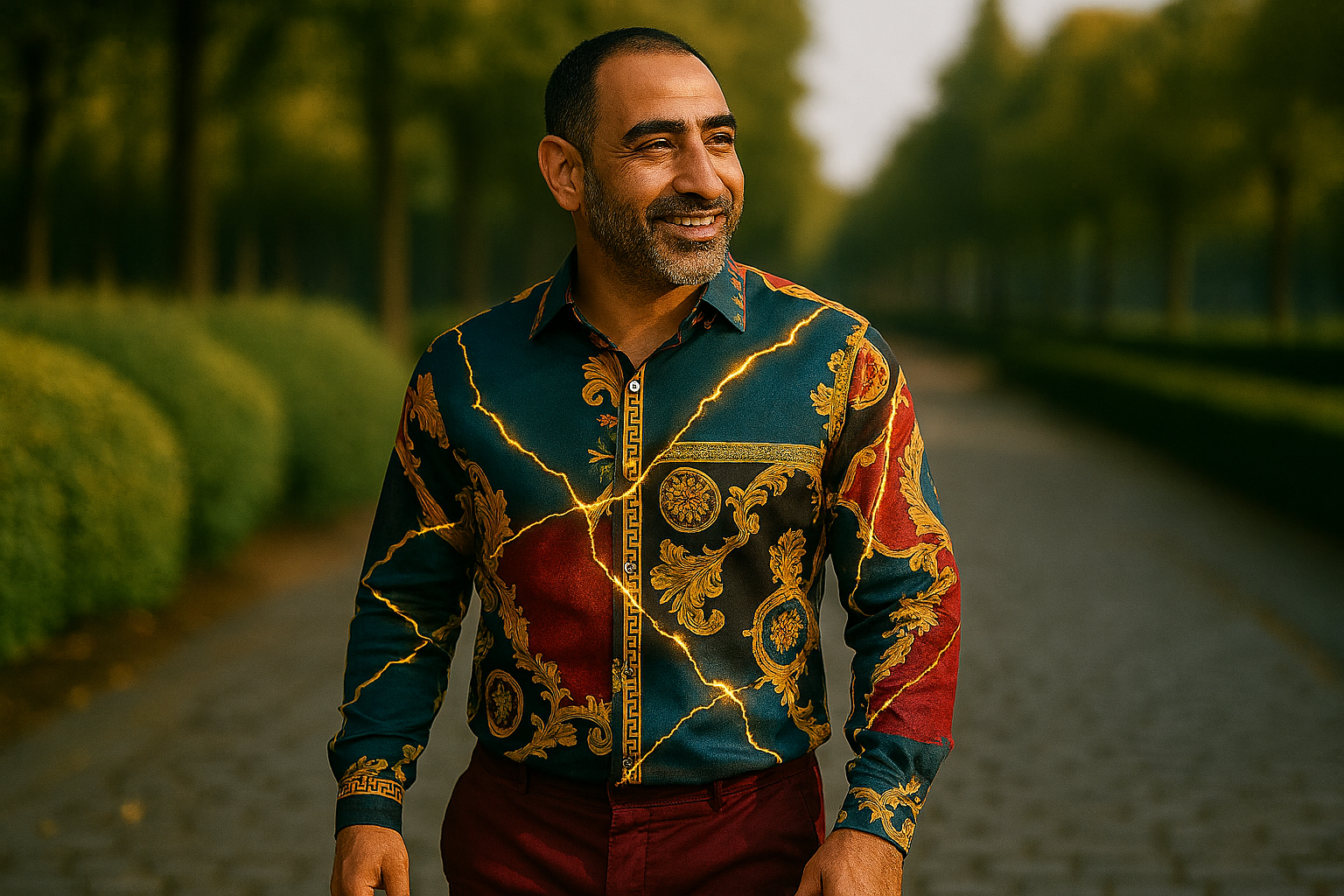
At Kintsugify, we take this philosophy further. To kintsugify is to apply this art to human transformation — embracing emotional, mental, or life “cracks” and filling them with metaphorical gold through healing, growth, and self‑compassion. Your journey to rebuild identity after immigration is not about erasing the cracks, but about self‑kintsugifying them into luminous lines of strength.
Other mantras may echo in your mind:
- “I’ll never belong here.”
- “I’ve lost my roots.”
- “Everything I knew is gone.”
- “I’m starting from nothing.”
Each of these can be kintsugified into a truth that honors your resilience: you are not starting from nothing — you are starting from experience, courage, and the potential gold of renewal.
How Can You See Immigration as a Canvas, Not a Cage?
When you rebuild identity after immigration, it’s easy to focus on what’s been lost. Yet, imagine your life as a ceramic vase — the move has shifted its shape, perhaps even caused cracks. But those cracks are not cages; they are outlines for future gold.
For example, a woman who moved from Brazil to Canada might feel her vibrant personality muted by language barriers. Instead of seeing this as a loss, she begins to micro‑kintsugify her days: learning one new phrase daily, joining a dance group, and letting her heritage infuse her new life.
Actionable step: Write down one thing from your past identity you want to carry forward, and one new thing you want to add. This creates a living canvas where old and new colors blend.
By reframing the move as a creative act rather than a confinement, you shift from “I’ve lost my roots” to “I’m planting new ones alongside the old.” This is macro‑kintsugification — the big, sweeping gold lines that connect your history to your future.
What Does It Mean to Be Cracking, Splitting, Crumbling, or Shattering?
In the kintsugifying journey, these are not labels — they are fluid states you can move through and out of.
- Cracking: You feel small fractures in your confidence — like hesitating before speaking in a new language. This is potential gold waiting for its first brushstroke.
- Splitting: Parts of your old and new self feel at odds — perhaps your traditions clash with local customs. This is where gold can bridge the divide.
- Crumbling: You feel pieces of your identity loosening — maybe your career path no longer fits. These fragments can be re‑set with stronger, more intentional gold.
- Shattering: Everything feels broken — from your sense of belonging to your daily routines. Yet, even here, the gold can create an entirely new, breathtaking form.
Actionable step: Identify which state feels most like you today. Then, name one “gold” you can add — a supportive friend, a cultural tradition, a skill you’re learning.
How Can You Transform “I Don’t Know Who I Am Anymore” into Gold?
This mantra often emerges when the familiar mirrors of identity — language, community, work — are gone. But what if this uncertainty is not emptiness, but spaciousness?
Imagine an artisan holding a cracked bowl. The absence of lacquer is not a flaw; it’s an open invitation for gold. Similarly, not knowing who you are can be the most fertile ground for self‑kintsugifying.
For example, a Syrian man in Germany might feel stripped of his professional identity. By volunteering at a local community center, he discovers leadership skills he never recognized before. His gold is not just in restoring what was lost, but in creating something entirely new.
Actionable step: Replace the mantra with: “I am discovering who I am becoming.” Say it aloud each morning. This is self‑kintsugifyingly powerful — a daily act of filling your cracks with gold.
How Do You Carry Your Roots Without Being Weighed Down?
When you rebuild identity after immigration, your roots can feel like both anchors and wings. The key is to let them nourish you without trapping you.
Picture a vase repaired with gold — the original clay still visible, but now strengthened by luminous lines. Your cultural heritage is the clay; your new experiences are the gold.
For example, a Kenyan woman in France might cook traditional dishes for her neighbors, blending Swahili hospitality with French culinary flair. She’s not abandoning her roots; she’s letting them grow in new soil.
Actionable step: Choose one tradition from your homeland to share in your new community this month. This is a micro‑kintsugify moment — a small act with lasting gold.
How Can You Belong Without Losing Yourself?
The mantra “I’ll never belong here” often comes from trying to fit into a mold that erases your uniqueness. But belonging doesn’t require sameness; it thrives on authenticity.
Think of a kintsugified vase — its gold lines don’t match the original clay, yet they belong completely to the piece. Your differences are not barriers; they are the gold that makes you irreplaceable.
For example, a Japanese man in Mexico might feel out of place until he starts teaching origami at a local school. His cultural gift becomes a bridge, not a wall.
Actionable step: List three qualities or skills that make you uniquely you. Find one way to share one of them in your new environment this week.
How Do You Rebuild When It Feels Like You’re Starting from Nothing?
“I’m starting from nothing” can feel like standing in front of an empty shelf where your life used to be. But emptiness is also space — space for intentional creation.
In kintsugification terms, this is when the artisan has all the broken pieces laid out, ready to be reassembled with gold. You are not starting from nothing; you are starting from the raw materials of your courage, adaptability, and lived experience.
For example, an IT professional from India in the UK might take on a part‑time job unrelated to his field while retraining. Each small step is a gold line connecting his past expertise to his future opportunities.
Actionable step: Write down three strengths you’ve used to overcome challenges in the past. These are your first gold reserves.
How Can You Use Joy as a Compass in a New Land?
Joy can feel like a luxury when you’re navigating paperwork, housing, and cultural adaptation. Yet, joy is one of the most potent kintsugifiers — it fills cracks faster than fear ever could.
Imagine a vase where the gold is not just functional but dazzling. Joy is that extra shimmer. For example, a Colombian family in Australia might join a local soccer league, finding laughter and connection beyond language.
Actionable step: Schedule one activity this week purely for joy — a walk in a park, a favorite song, a shared meal. These moments are self‑kintsugifyingly essential.
How Do You Strengthen Self‑Connection in a World That Feels Foreign?
When everything external feels unfamiliar, your internal connection becomes your anchor. Rebuilding identity after immigration means listening to your own voice amid the noise.
Think of a kintsugified vase — the gold lines are strongest where they follow the natural curves of the original shape. Your self‑connection is that curve; it guides where the gold should go.
For example, a Polish artist in the US might keep a daily sketchbook, capturing both memories from home and new impressions. This practice becomes a gold thread weaving her inner and outer worlds.
Actionable step: Spend 10 minutes each day in quiet reflection — journaling, meditating, or simply breathing. This is macro‑kintsugification for your inner life.
How Can You Deepen Intuition When the Map Has Changed?
Immigration often means your old “maps” — social cues, systems, expectations — no longer apply. This is when intuition becomes your compass.
In kintsugifying terms, intuition is the artisan’s hand knowing where to place the gold without overthinking. For example, a Moroccan chef in Italy might sense which flavors will resonate with locals, blending them with his own traditions.
Actionable step: Before making a decision, pause and ask, “What feels aligned with my values?” Trust that answer, even if it’s small. This is self‑kintsugifyingly wise.
How Do You Cultivate Hope When the Journey Feels Long?
Hope is the gold that never runs out — the more you use, the more you find. Rebuilding identity after immigration is not a single act but an ongoing kintsugification, each line of gold a testament to your resilience.
For example, a refugee rebuilding her life in Sweden might face years of adaptation. Yet, by celebrating each small victory — a new friend, a new skill — she keeps her hope alive. Each gold line she adds reminds her that she is not defined by the distance between where she came from and where she is now, but by the courage to keep moving forward.
Hope is not blind optimism; it’s the deliberate act of looking for gold even when the cracks feel deep. It’s knowing that every conversation, every small victory, every moment of self‑kintsugifying is proof that you are already rebuilding.
Actionable step: Create a “gold journal” — each evening, write down one thing that gave you hope that day. Over time, you’ll see your own kintsugification in progress, a living record of resilience and renewal.
Why Your Journey Is Already a Work of Art
Rebuilding identity after immigration is not about returning to who you were before — it’s about becoming someone even more whole, more luminous, more you. Every crack you’ve felt — the moments of cracking, splitting, crumbling, or shattering — has the potential to be filled with gold.
You are the artisan and the art. You are the kintsugifier of your own life, choosing where to place the gold, how to blend your roots with your new soil, and how to let joy, intuition, and hope guide your hand.
Your identity is not lost; it is being re‑formed into something stronger and more beautiful than before. And just as a kintsugified vase becomes more valuable because of its cracks, your life gains depth, richness, and meaning through the very challenges you’ve faced.
So, the next time you hear the whisper of “I don’t know who I am anymore,” remember: you are the one holding the gold. And you are already in the act of self‑kintsugifying — one luminous line at a time.
Begin Your Golden Repair
Subscribe to the Kintsugify newsletter for guidance, stories, and inspiration to help you turn life’s cracks into strength, beauty, and gold.
Leave a Reply